
The following is a guest post by Mallory Hersh* about her work in food equity.
During the pandemic, I had more free time than expected, and began to cook to accommodate my father’s recently-diagnosed food allergies. A few successful dinners later, I was whipping up healthy treats and baked goods in my spare time and delivering them around the neighborhood.
But as I became more involved in conversations about food–how to source organic ingredients; the best forums for recipe swaps–I became increasingly aware that not everyone had the same access that I did to the foods that I took for granted. In the U.S., more than 34 million people, including 9 million children, experience food insecurity, often lacking consistent access to nutritious meals. Looking to help make a difference, I got involved with my high school’s service club, specifically aiming to spend my time with local community fridges and food pantries. I was selected to be the liaison between my school and Weaver’s Way Community Fridge, a community fridge that was connected to a local grocery store in Ambler, Pennsylvania.
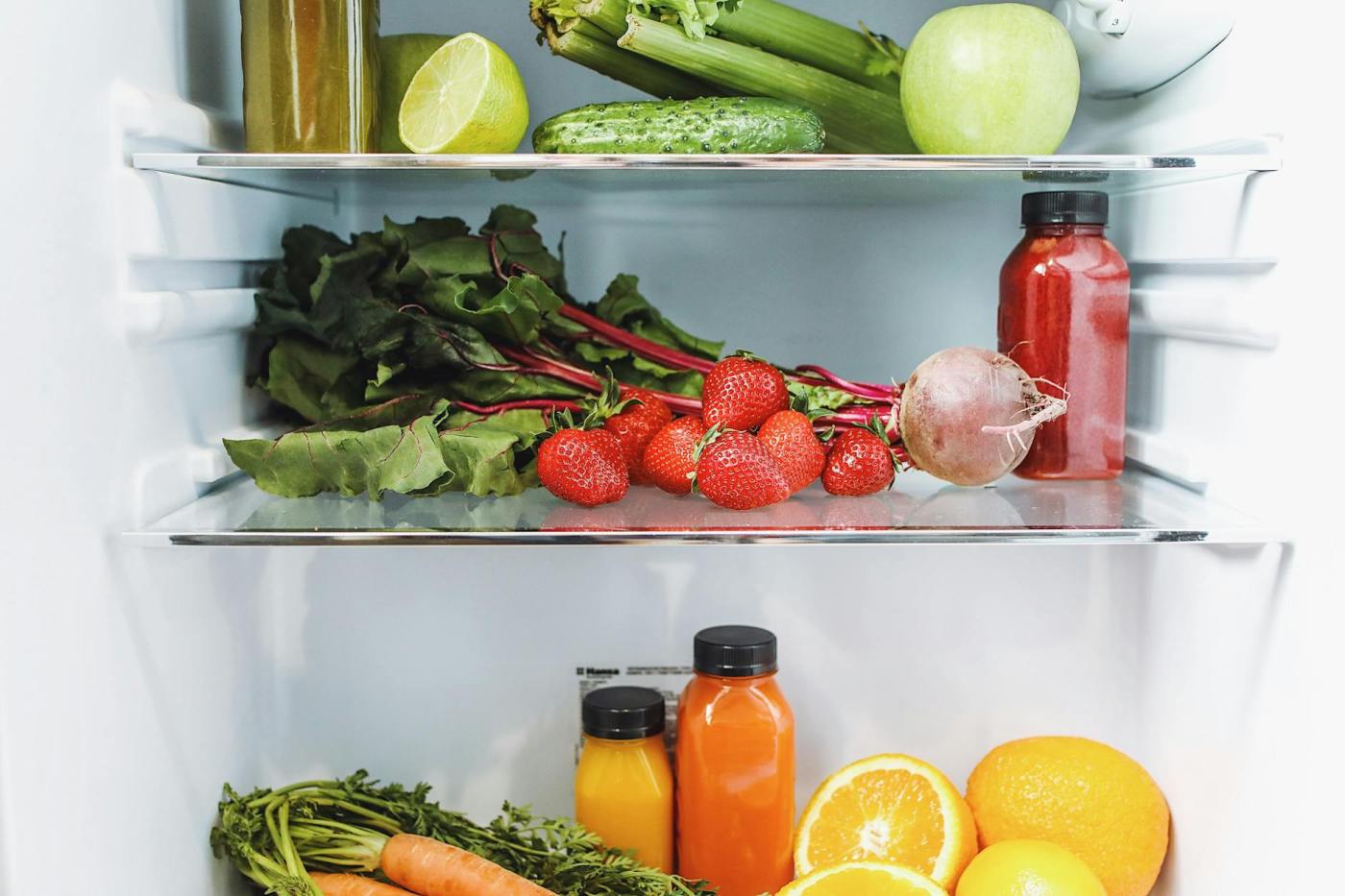
Community fridges quickly became more than just a service project—they felt like a tangible way I could show up for my neighbors. These publicly accessible refrigerators are stocked with everything from fresh produce to non-perishables, and anyone can take what they need or leave what they can. I was drawn to the mutual-aid model, which felt more human and less transactional than traditional food pantries. However, the summer before I was to lead my school’s relationship with Weaver’s Way, the community fridge got shut down. My first reaction was confusion: How and why could this be happening? In the fight for food equity, broadly defined as the concept that all people should have the ability and access to nourish themselves, shouldn’t more community fridges and pantries be opening, instead of closing?
It wasn’t until I attended a meeting about the closure that I learned the reason behind it. Because the fridge was affiliated with Weaver’s Way grocery store, it now fell under updated FDA guidelines from 2022. These rules required the fridge to be monitored by an employee at all times—something that simply wasn’t feasible. The updates were meant to make food donations from retail stores safer and easier, but in reality, they ended up creating more barriers. Homemade meals from community members—some of the most heartfelt contributions—no longer met the criteria for “approved sources” and had to be thrown out. It was frustrating to see good food wasted because of technicalities, especially when so many people were still struggling to eat. I couldn’t help but wonder: if our fridge was forced to close because of these new requirements, how many others were facing the same fate? A quick search confirmed my fears—community fridges in places like Sacramento were being shut down for similar reasons, leaving fewer options for people trying to feed themselves with access and choice.
Eager to help get food to these food insecure individuals, defined by local food equity organization Philabundance as a “lack of access to enough food for a healthy and active life,” I founded my own food equity organization, Munch with Mal. Munch with Mal collects, organizes and distributes donated grocery items and healthy snacks to 15+ organizations that serve marginalized communities in the Philadelphia community. In contrast to the community fridge’s donated items, Munch with Mal ensures that this food can get to its intended recipients, as (1) the donated grocery store items have already passed through employee inspection, and (2) we take on the responsibility of sourcing and distributing the food as an organization. What’s more, by delivering the food to these partner organizations, the individuals who use their services are still given the opportunity to choose what food they want to eat. Through our efforts, Munch with Mal has helped to nourish the over 600,000 individuals who are food insecure in the greater Philadelphia area, with a particular emphasis on the 1 out of every 4 food insecure individuals who are children. While regulations are intended to ensure food safety, they can sometimes create unintended barriers that reduce access to food for those who need it most. Munch with Mal navigates these challenges by working directly with grocery stores and partner organizations to distribute food that meets existing safety standards while still reaching those in need. By taking on the responsibility of sourcing, inspecting, and distributing food ourselves, we bridge the gap between regulatory compliance and equitable food access.
Whether I am asking my dad what he wants for dinner or remembering to pack extra power bars for Expressive Path, one of my partner organizations that specifically provides arts and dance instruction to marginalized middle and high school students in Norristown and Pottstown, PA, I know that the ability to give someone a choice who is often denied that option can be such a powerful tool in restoring dignity. I love knowing that what may seem like a small gesture can actually transform how someone feels about themselves, and their right to feed themselves with accessible, healthful foods.
*Mallory Hersh is a high school student at Germantown Academy in Fort Washington, PA, and the founder of The Dancing Baker PA, an initiative that combines her passion for baking with a commitment to food equity. Through partnerships with local nonprofits, Mallory works to expand access to nutritious, unprocessed foods across the greater Philadelphia area because she believes that access to nourishing food is essential to a community’s overall well-being.
 On Food Law