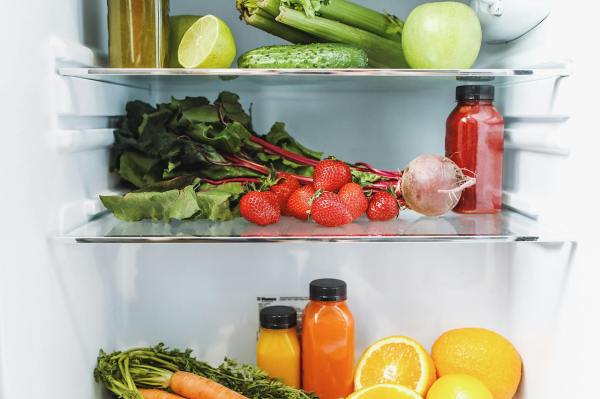
Regional spotlight: Food Equity in Pennsylvania

The following is a guest post by Mallory Hersh* about her work in food equity.

During the pandemic, I had more free time than expected, and began to cook to accommodate my father’s recently-diagnosed food allergies. A few successful dinners later, I was whipping up healthy treats and baked goods in my spare time and delivering them around the neighborhood. 

But as I became more involved in conversations about food–how to source organic ingredients; the best forums for recipe swaps–I became increasingly aware that not everyone had the same access that I did to the foods that I took for granted. In the U.S., more than 34 million people, including 9 million children, experience food insecurity, often lacking consistent access to nutritious meals. Looking to help make a difference, I got involved with my high school’s service club, specifically aiming to spend my time with local community fridges and food pantries. I was selected to be the liaison between my school and Weaver’s Way Community Fridge, a community fridge that was connected to a local grocery store in Ambler, Pennsylvania.

Continue reading “Regional spotlight: Food Equity in Pennsylvania”
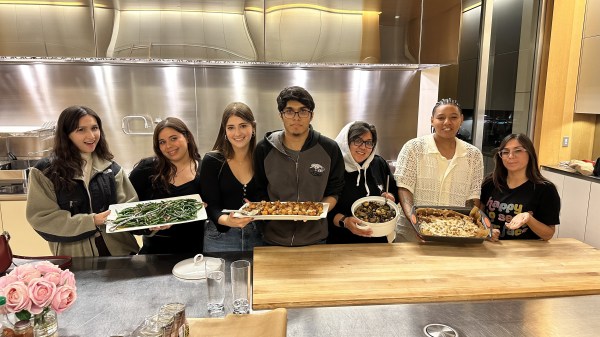
Food, community, and belonging: Our Seat at the Table

by Marin Milken*

[This is one in a series of occasional posts by Los Angeles high school students working with and studying food systems.]

Inspired by the meals I made for my family and friends during the pandemic, I founded Our Seat at the Table to engage with questions of food, community and belonging. Though there are various food-related initiatives that Our Seat will continue to tackle through its programming, I wanted our first endeavor to help with the widespread national issue of food insecurity. Food insecurity, in simplest terms, is when people neither have enough to eat, nor know where their next meal is coming from. The latest State of Food Security and Nutrition in the World (SOFI) report indicates that in comparison to 2019, the number of people worldwide affected by hunger has risen by over 122 million. In the United States, food insecurity is addressed through Supplemental Nutrition Assistance Program (SNAP) benefits, which aim supplement low-income families’ groceries, so that they can access the food that they need to be food secure. But key findings in a recent report from the Robert Wood Johnson foundation highlight and demonstrate that SNAP benefits don’t cover the cost of moderately priced meals in 78% of US counties. With this statistic in mind, it’s unlikely that SNAP benefits are able to cover the costs of healthier options, such as organic produce. Programs such as SNAP – and its inability to adequately address the food needs for so many in this country – highlight a large systemic gap between those who are food insecure and food secure, despite SNAP being touted as a successful safety net for those who are food insecure.

Continue reading “Food, community, and belonging: Our Seat at the Table”

Website Powered by WordPress.com.

Up ↑