
by Chidera Anthony-Wise*
Farmers might just be the new pharmacists.
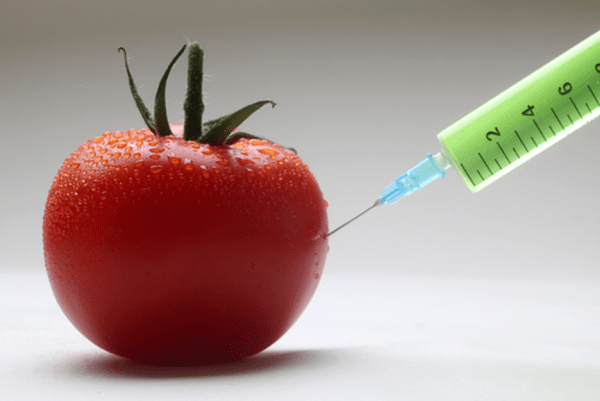
Through scientific breakthroughs, plant products can be genetically modified to deliver immunity against diseases. These “edible vaccines” present remarkable possibilities at the intersection of agriculture and biotechnology.
One such possibility is to assist immunization efforts on national and global scales. Many low-income nations and US cities such as Chelsea, Massachusetts and Hyde Park, New York lack essential access to vaccines due to expensive costs, maintenance challenges, and improper distribution. The use of common fruits and vegetables as vehicles to immunity could, for this reason, be a tool toward achieving equity. In addition to disease protection, edible vaccines can also be used to alleviate malnutrition because highly nutritious foods, such as tomatoes, lettuce, bananas, corn, and rice, are frequently used as host plants.
History
In the 1990s, Dr. Charles Arntzen and his team spearheaded the production of an early edible vaccine, a surface protein antigen A derived from Streptococcus mutans successfully expressed in tobacco. This edible vaccine has the capability of alleviating infectious endocarditis, or bacteria occupation in the inner lining of the heart. Arntzen and his colleagues went on to develop a heat-labile toxin, B subunit in potatoes to potentially treat hepatitis B. There is a large focus on protein production in relation to edible vaccine efficacy, as antibodies and protective white blood cells are created by the immune system in the presence of spike (S) proteins. Therefore, to showcase that plant-derived hepatitis B surface antigen could generate a mucosal immune response, host plant potatoes have been optimized to become protein-rich. Other edible vaccine examples include transgenic carrots against HIV and E coli, lettuce against malaria, and spinach against rabies.
Continue reading “Edible Vaccines: The Intersection of Agriculture, Medicine, and Regulation” On Food Law