
by Chidera Anthony-Wise*
“No”.
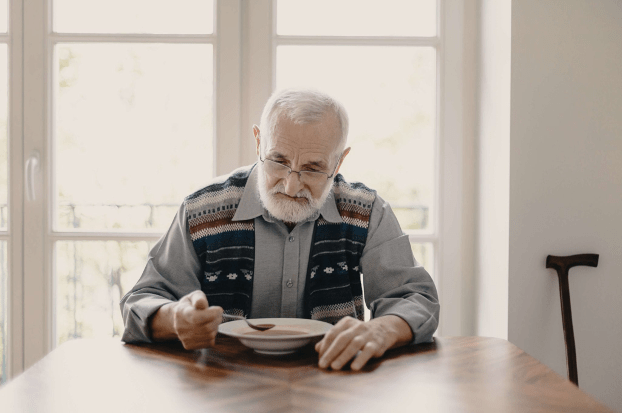
This is the response of a director at an Arkansas nursing home, when asked if she would eat the food served at the facility.
Food inspection reports cite “rancid meat, spoiled vegetables, moldy fruits and meals, at times prepared in filthy conditions”. Elderly populations are particularly susceptible to foodborne diseases due to weak immune systems, chronic diseases, and immobility, highlighting the need for the utmost nourishing foods. Yet, according to the Centers for Disease Control and Prevention between 1998 and 2017, approximately 230 foodborne outbreaks have been recorded in long-term care settings, leading to 532 hospitalizations and 54 deaths. In 2022 alone, there were 1,127 outbreaks nationwide, leading to 555 hospitalizations and 55 deaths.
This reality begs the question, why is the problem getting worse?
The growing prioritization of profit over people
The COVID-19 pandemic ushered in a time of intense financial insecurity for the nursing home industry. Private equity companies took advantage of these circumstances by consolidating economically feeble facilities and cutting costs to generate profit. Consequently, nursing homes experienced staff shortages and reductions in food quality. In recent years, citations for food deficiencies have tripled, with 3,391 citations in 2021 and 9,484 in 2024, resulting in more malnourished, dehydrated nursing home residents.
In 2023, an investigation by Rutgers University and data experts revealed that more than 25% of nursing homes spend less than $10 per day per resident for food, with some facilities aiming for $6 per day. The fundamental issue is that nursing homes that are federally regulated are not required to spend a certain amount on food. Therefore, many profit-driven nursing homes cut costs on this essential life source.
The aforementioned Arkansas nursing home, The Waters of North Little Rock (North Little Rock), had reports of uncovered food, moldy kitchen items, and staff members not washing their hands when handling food. North Little Rock received seven citations for poor food quality, penalized with a $8,000 fine. The lack of a federal mandate on spending for food encourages nursing home owners to cut corners and costs, continuing these harmful activities. Exacerbating matters, the “One Big Beautiful Bill” Act, signed in July 2025, includes a $1 trillion cut to Medicaid, the primary funding source for nursing homes that are federally regulated. In fact, more than 60% of nursing home residents are sponsored by Medicaid. This cut will severely disincentivize nursing homes owners to invest in high quality food for said residents.
Advocacy for Better Food
Organizations recognize the severity of malnutrition in nursing homes and strive to improve conditions. The National Consumer Voice for Quality Long-Term Care (The Consumer Voice) is leading the way by providing tips for residents and families, such as filing complaints with the State Survey Agency which supervises nursing homes and handles complaints. The Consumer Voice also promotes contacting the Long-Term Care Ombudsman Program which helps nursing home residents with issues ranging from safety to food. If you or anyone you know has nursing home grievances, you can find the Ombudsman Program in your state here: https://theconsumervoice.org/get-help/.
Moving Forward is a nursing home quality coalition composed of leaders, stakeholders, and experts that strive to transform recommendations to actionable items. Particularly, Moving Forward encourages “person-centered care” which considers the individual goals, preferences, and priorities (GPP) of residents regarding care planning and daily life, establishing the foundation of the Moving Forward GPP Action Plan. The Action Plan was created through national engagement from nursing home residents, care partners, staff, researchers, operators, and advocates, with the ultimate aim of providing services tailored to the needs of residents. The Guide to Addressing Resident Goals, Preferences and Priorities was composed subsequent to the collaborative effort between the aforementioned actors. This guide was composed for nursing homes, with the purpose of strengthening “person-centered care” initiatives and improving documentation of preferences among residents. Kansas State University is spearheading the implementation of the guide, leading the pilot cohort of six nursing homes in Kansas to adopt GPP principles. Now, 22 nursing homes across Kansas, Wisconsin, New York, Pennsylvania, and Maryland practice GPP strategies. Overall, this approach can empower residents to be vocal about food preferences derived from dietary restrictions, culture, allergies, and lifestyle. The consideration of residents’ GPPs can promote the “Food as Medicine” movement, as residents may request foods that support their specific health goals.
With the commendable works of such organizations, nursing home residents can receive the nourishment they deserve.
*Chidera Anthony-Wise is a recent graduate of UCLA, earning a degree in Human Biology and Society. She is passionate about healthcare equity for low-income communities of color through fortified legislation and policy.

